The Rise of the ‘Workation’: How Road Trips Are Redefining Work-Life Balance for Remote Workers
 Publié le 29 May 2026
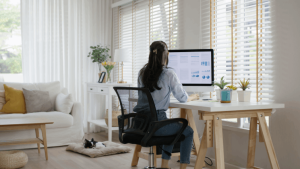
Working from home has become a normal part of daily operations, yet the routine that comes with it can start to feel repetitive and blur work boundaries over time. Remote work offers flexibility, but it also keeps many people in the same space day after day.
The idea of a “workation” is gaining attention. Employees take their work on the road for a short period, not to disconnect, but to change their surroundings while staying productive.
A different setting can break up repetitive routine, support focus, and create a more sustainable way to work without stepping away from responsibilities.
This article will examine what a workation is, why it’s gaining traction, and how it relates to mental health and day-to-day performance.
This shift has led to the rise of a new approach to remote work: the workation.
What is a Workation and Why Is it Gaining Traction for Employees Working From Home?
A workation combines remote work with short-term travel. Employees keep up with their responsibilities while changing locations for a set period. The goal isn’t to step away from work, but to move it into a different setting.
As remote work becomes more common, more remote workers are looking for ways to break out of routines that start to feel repetitive. Flexibility exists, but the setting often stays the same, which can affect focus.
There’s also a growing tension in how remote work functions in practice:
- Productivity often stays the same or increases
- Flexibility improves autonomy and scheduling
- Daily routines can still feel stagnant
Even though remote employees tend to report high engagement, they experience higher levels of stress and social isolation compared to on-site workers, according to Gallup research on remote worker engagement and isolation.
Workations help change that. Working from home no longer has to mean staying in one place. A workation introduces movement into the routine without disrupting expectations. It gives employees a way to adjust their environment while maintaining output.
Hybrid work has also made this idea easier to adopt. Employees already move between locations during the week, so extending that flexibility to a temporary travel setup feels like a natural progression.
The ‘workation’ isn’t exclusive to the laptop-and-latte crowd. We are seeing a massive surge in high-demand healthcare professionals choosing a life on the move. For instance, the popularity of travel physical therapy jobs has skyrocketed as clinicians realize they can spend thirteen weeks exploring the Pacific Northwest before heading to a sunny winter assignment in Arizona.
These professionals are the ultimate ‘workationers,’ using their career flexibility to treat patients by day and explore national parks by sunset, effectively turning a high-stress medical career into a sustainable mental health strategy.
The Problem With Static Work Environments
A static remote work environment can start to work against you faster than most people expect. The same desk, room, and routine may feel efficient at first, but over time, they begin to drag.
Focus drops even when nothing else changes. Tasks take longer. Breaks stop working. The day begins to feel like one long block instead of something with a clear start and end.
Mental health is often the first thing to take a hit, not because the workload increases, but because the environment never changes. There’s no reset point, no shift in pace, no real separation between work and everything else.
Social isolation adds another layer. Gallup research found that fully remote employees report higher levels of loneliness than those working on-site. In fact, 25% say they experience it regularly. Fewer conversations, fewer small interactions, and less connection throughout the day can make work feel more distant and less engaging.
Then there’s physical health. Sitting in the same spot, moving less, and working in a setup that rarely changes can lead to stiffness, fatigue, and low energy.
The Psychology of the “Moving Office”
Swapping a desk for new scenery resets an employee’s focus without changing their actual workload, a simple but effective boost for mental health.
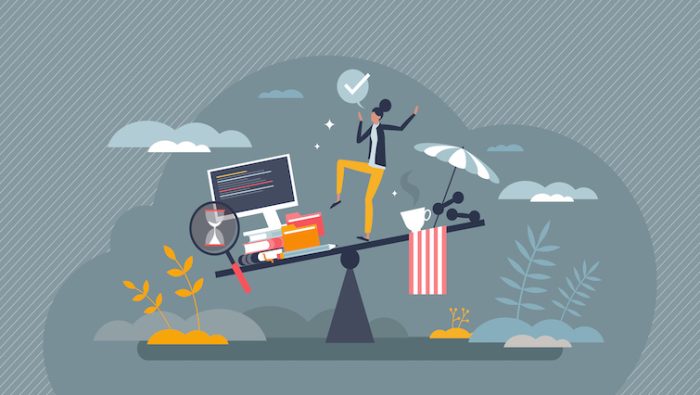
Routine often blurs the lines between “on” and “off” hours. A fresh location creates a physical boundary that helps staff reclaim their work-life balance. It also forces a more intentional daily structure, making stress easier to manage.
Ultimately, supporting a “moving office” improves how employees navigate their day and acts as a direct investment in their long-term mental well-being and retention.
This mindset shift is fundamentally changing how work fits into the day. It’s reaching far beyond the usual remote-friendly sectors.
The beauty of the modern ‘workation’ is that it has opened doors for professions we once thought were strictly office-bound. Take, for instance, the growing number of healthcare professionals transitioning into roles such as a remote virtual scribe.
Because the job requires only a high-speed connection and a secure laptop, these digital professionals are trading fluorescent hospital lights for the glow of a sunset at the beach.
This ability to maintain a high-impact clinical role while moving between national parks is a powerful mental health strategy that prevents the classic burnout associated with traditional medical environments.
This means employees should intentionally choose environments that reduce distractions and create clear start and end points for their workday.
The Benefits of Workations for Mental Health
Stepping into a new environment resets focus and improves the way employees structure their days and engage with their work.
Here are some of the positive effects workations have on mental health:
- Focused productivity: Dedicated blocks for deep work allow for efficient management and output away from standard office distractions.
- Defined work boundaries: A physical move helps separate professional tasks from personal time, strengthening work-life balance.
- Intentional scheduling: Daily routines become more deliberate, making time management more effective.
- Environmental reset: New surroundings and fresh stimulation help lower stress and boost mental well-being.
- Employee autonomy: Increased flexibility and control over the workspace lead to higher job satisfaction.
While the mental health benefits of a digital nomad lifestyle are well-documented, the ‘workation’ requires a shift in how employees manage their personal overhead. However, sustaining this lifestyle requires practical planning.
Budgeting for extended road trips involves more than just fuel and data roaming; savvy remote workers are increasingly benchmarking their fixed expenses against the average cost of car insurance to ensure their nomadic freedom doesn’t lead to financial burnout.
By optimizing these recurring costs, professionals can extend their time on the road, turning a one-week getaway into a sustainable, long-term strategy for professional well-being.
How You Can Support Workations Without Disrupting Performance
Supporting workations starts with giving employees structure. Set clear expectations for deliverables and availability to maintain consistent productivity, whether someone works from home or a new location.
According to ScienceDirect Research, workations tend to work best when employees have control over where and how they work and how they structure their day.
Create a flexible work environment that focuses on outcomes instead of hours logged. This keeps performance steady and supports work-life balance, allowing employees to adapt their schedules to different time zones or routines. A mobile work environment should still offer the same reliability as a traditional office.
Encourage employees to recreate a dependable home office setup wherever they go. Access to essentials like Wi-Fi and portable ergonomic furniture helps maintain comfort and focus throughout the workday.
Keep communication simple and predictable. A steady cadence of virtual meetings and check-ins ensures alignment without overwhelming employees or interrupting their workflow. This consistency makes the transition away from a standard work-from-home model seamless for the whole team.
Maintaining Collaboration and Engagement in a Mobile Work Model
A mobile setup supports flexibility while keeping teams connected, provided communication and structure stay intentional.
The goal is to create consistent touchpoints and shared experiences that maintain steady collaboration across locations.
- Encourage regular touchpoints for social interaction: Consistent check-ins maintain social interaction and prevent teams from drifting into isolation. Short, recurring syncs give employees space to share updates and stay connected without disrupting their workflow.
- Use coworking spaces as optional collaboration hubs: Coworking spaces offer a middle ground for those seeking occasional in-person connection. These environments create opportunities for collaboration, networking, and focus without requiring a full return to a traditional office.
- Build routines that support hybrid work: Structured routines and good time management help hybrid work function without confusion. Setting clear time blocks for collaboration versus independent work ensures teams stay aligned while still benefiting from flexibility.
- Keep remote workers visible and included: Remote workers need consistent visibility to stay engaged and informed. Clear communication channels, shared documentation, and inclusive decision-making processes ensure everyone remains part of the conversation, regardless of location.
Conclusion
Working from home continues to evolve as employees look for ways to stay productive without sacrificing their work-life balance.
Workations offer a practical way to reset focus, improve daily structure, and support long-term well-being without stepping away from responsibilities.
Supporting this level of flexibility positions your organization to retain talent and sustain performance. To put this into action, tools that highlight flexible work opportunities can help you attract the right candidates.
Ready to support a more flexible, high-performing team? Use Jobillico to promote your roles, highlight flexible work options, and attract candidates seeking workplaces that support the way people want to work today.